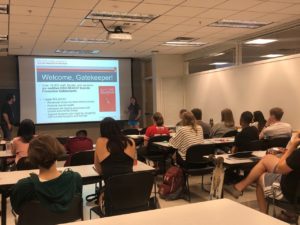
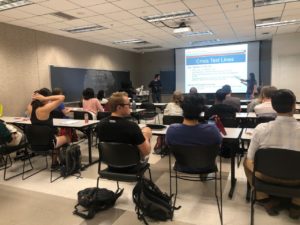
Suicide prevention is a shared campus responsibility.
Join the REACH© movement!
Save a life!
Anyone can help prevent suicide by learning the risks, warning signs, and how to intervene. REACH© is the name of the OSU suicide prevention in-person gatekeeper training program designed to help the OSU community prevent suicide by teaching faculty, staff, and students how to:
Recognize warning signs
Engage with empathy
Ask directly about suicide
Communicate hope
Help suicidal individuals access care and treatment
OSUSPP only offers in-person REACH© Trainings to university and student affiliated organizations, departments, colleges, and programs. Participants who finish the training receive certificates and pins verifying their completion of the program.
Before scheduling or pre-registering for a REACH© Training, please click Here to read the complete list of REACH© Training FAQs.
*Please note that OSUSPP will continue to evolve our plans for offering REACH© Trainings and ReachOut© Sessions in accordance with the health and safety guidelines established by the university. *
Group REACH© Training Request
Open REACH© Training Registration
*NOTE: All participants must be pre-registered in order to attend an Open REACH Training. Trainings are scheduled separately for undergraduate students and staff, faculty, graduate students, and professional students. Please choose the correct training based on your status. Approximately one week prior to your date you will receive a reminder email and information about the exact location of your training.
